How to Stay Active Safely During Pregnancy
Staying active during pregnancy is essential for both maternal and fetal health. Regular exercise can help reduce discomfort, improve mood, and support better sleep, while also preparing your body for labor and delivery.
For your baby, maternal fitness can contribute to healthy growth and development. This guide will walk you through key steps to maintain an active lifestyle safely, addressing exercise options, safety tips, and when to consult your healthcare provider.
Consult Your Healthcare Provider

Before starting or maintaining any exercise routine during pregnancy, it’s crucial to consult your healthcare provider. Every pregnancy is unique, and your doctor or midwife can assess your medical history, current health status, and any potential risks.
Be prepared to discuss your exercise habits, fitness level, and any pregnancy symptoms or complications you may have. This personalized advice ensures your activities are safe for both you and your baby. For more detailed guidelines, refer to the Centers for Disease Control and Prevention (CDC).
Choose Pregnancy-Safe Exercises
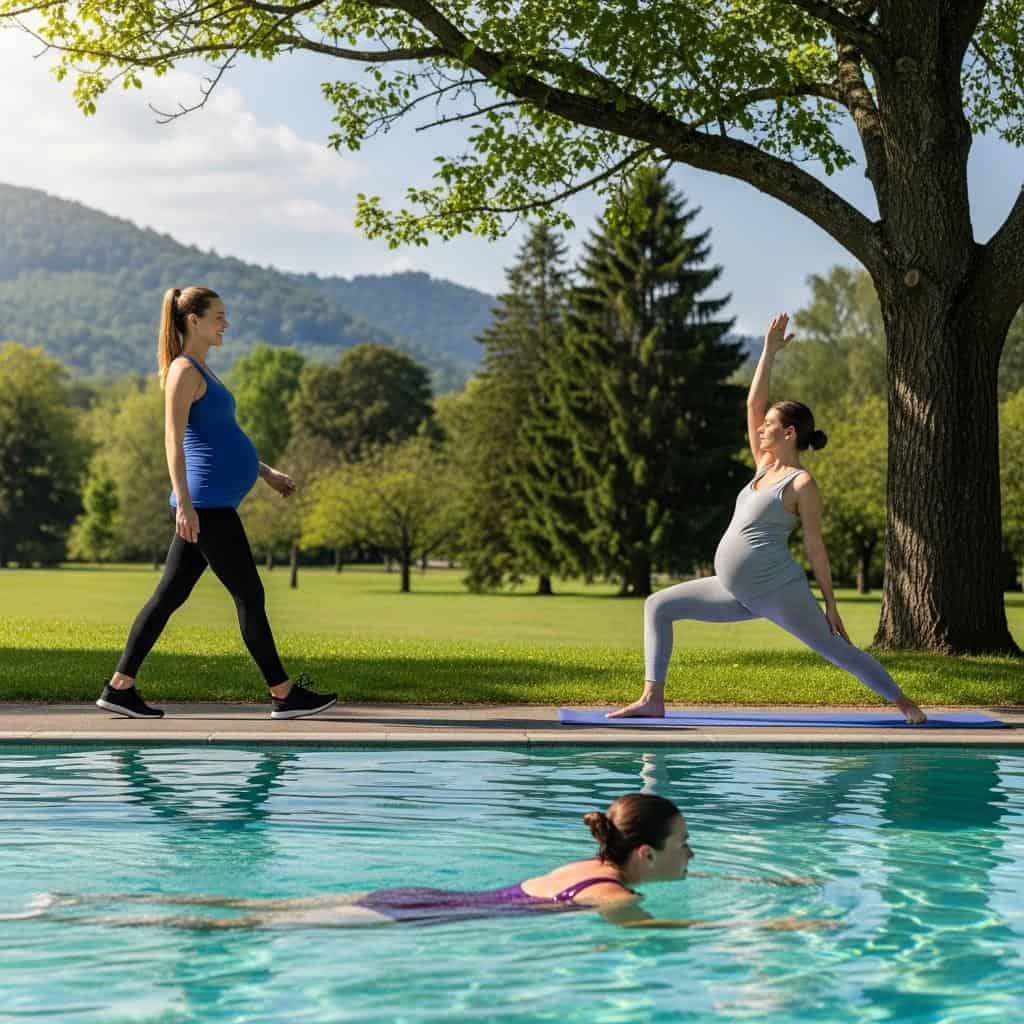
Selecting the right activities is vital for a healthy and safe pregnancy. Low-impact exercises such as walking, swimming, and prenatal yoga are highly recommended, as they strengthen muscles, improve circulation, and reduce joint stress.
These activities are generally gentle on your body while still providing cardiovascular and flexibility benefits. Avoid high-risk sports or those with a risk of falling or abdominal trauma. For more ideas on safe exercises during pregnancy, explore the recommendations from NHS: Exercise in Pregnancy.
Listen to Your Body and Modify Workouts
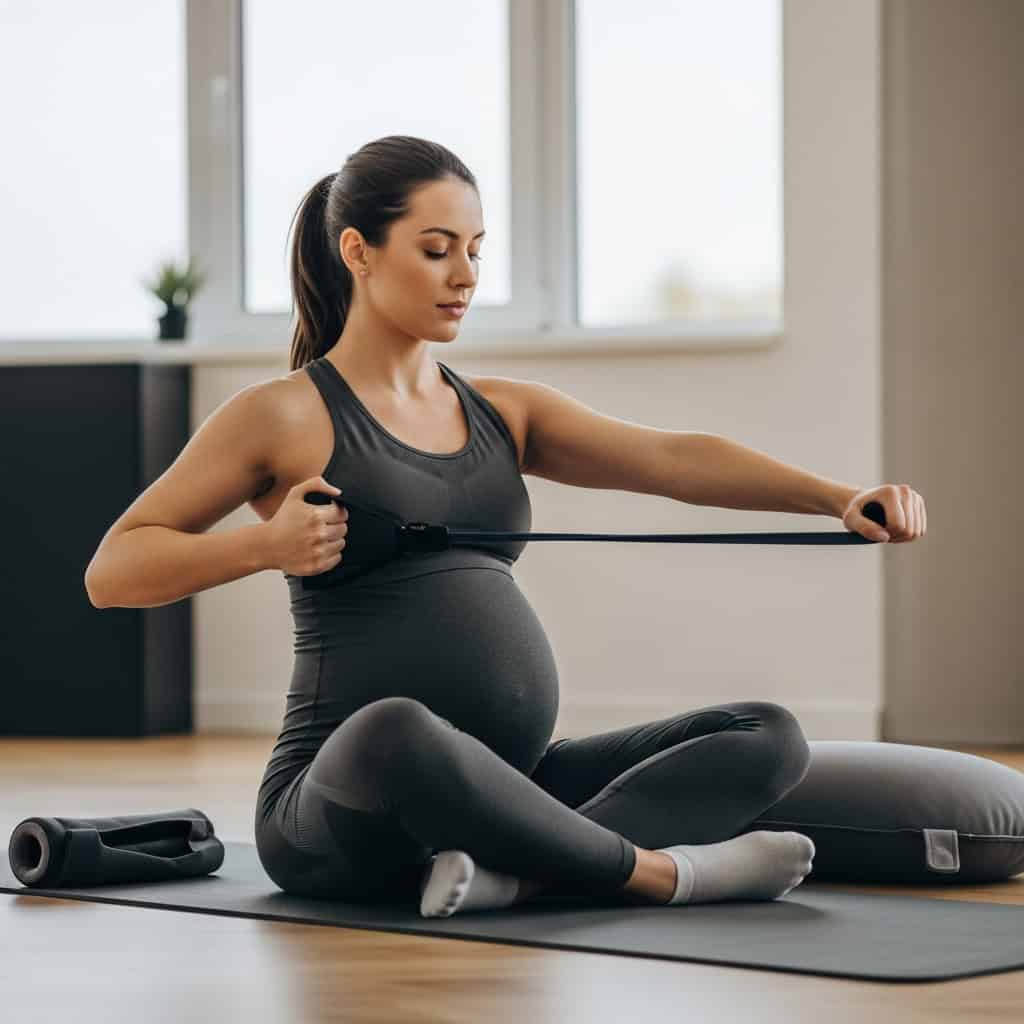
Paying close attention to your body’s signals is essential as you progress through pregnancy. Fatigue, dizziness, pain, or shortness of breath are signs to slow down or stop. Adjust your workout intensity and duration based on how you feel, and don’t hesitate to modify exercises to accommodate your changing body.
Use props like pillows or resistance bands for added support, and avoid lying flat on your back after the first trimester. For more modification tips and safety guidelines, visit Mayo Clinic: Pregnancy and Exercise.
Prioritize Hydration and Nutrition

Maintaining proper hydration and balanced nutrition is vital when staying active during pregnancy. Drink water before, during, and after exercise to prevent dehydration, which can increase the risk of complications. Eat a variety of nutrient-rich foods, including fruits, vegetables, lean proteins, and whole grains, to support your energy needs and your baby’s development.
Avoid skipping meals and listen to your hunger cues. Proper nutrition and hydration help sustain your stamina and aid in recovery after physical activity. For more guidance, check resources from the March of Dimes: Nutrition During Pregnancy.
Practice Proper Warm-Up and Cool-Down
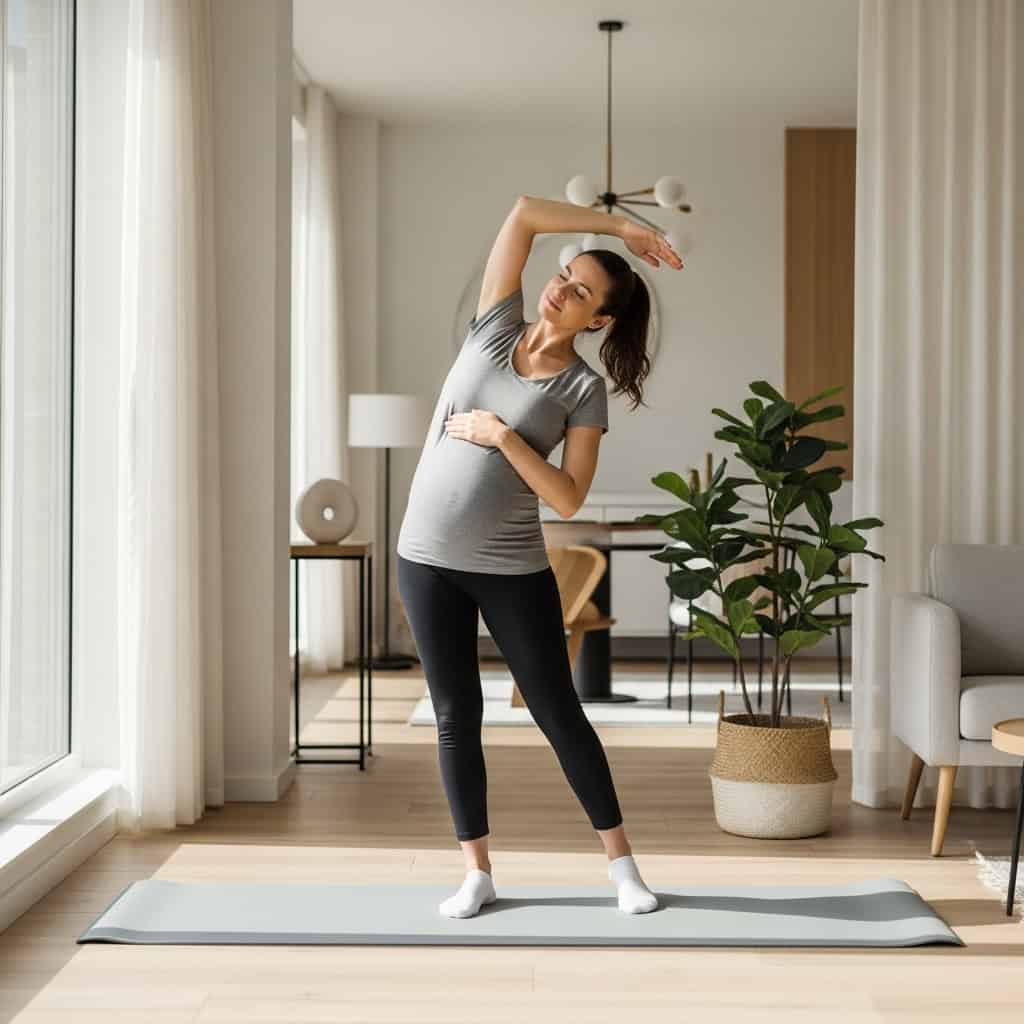
Incorporating a gentle warm-up before exercise and a cool-down afterward is essential for pregnant individuals. Begin each session with 5-10 minutes of light movement, such as walking or gentle stretching, to prepare your muscles and joints, reducing the risk of injury.
After exercising, cool down with slow movements and stretches to gradually lower your heart rate and enhance flexibility. These routines help prevent muscle soreness and support circulation. For detailed warm-up and cool-down suggestions tailored to pregnancy, refer to the Tommy’s: Exercise in Pregnancy guide.
Avoid High-Risk Activities

During pregnancy, it’s important to avoid activities that increase the risk of injury or complications. Steer clear of contact sports like soccer, basketball, or hockey, as well as activities with a high risk of falling, such as skiing, horseback riding, or cycling on uneven terrain.
Scuba diving and exercises that involve lying flat on your back after the first trimester should also be avoided. Prioritizing safe movements helps protect both you and your baby throughout pregnancy. For a comprehensive list of activities to avoid, visit the NHS: Exercises to Avoid in Pregnancy.
Incorporate Rest and Recovery
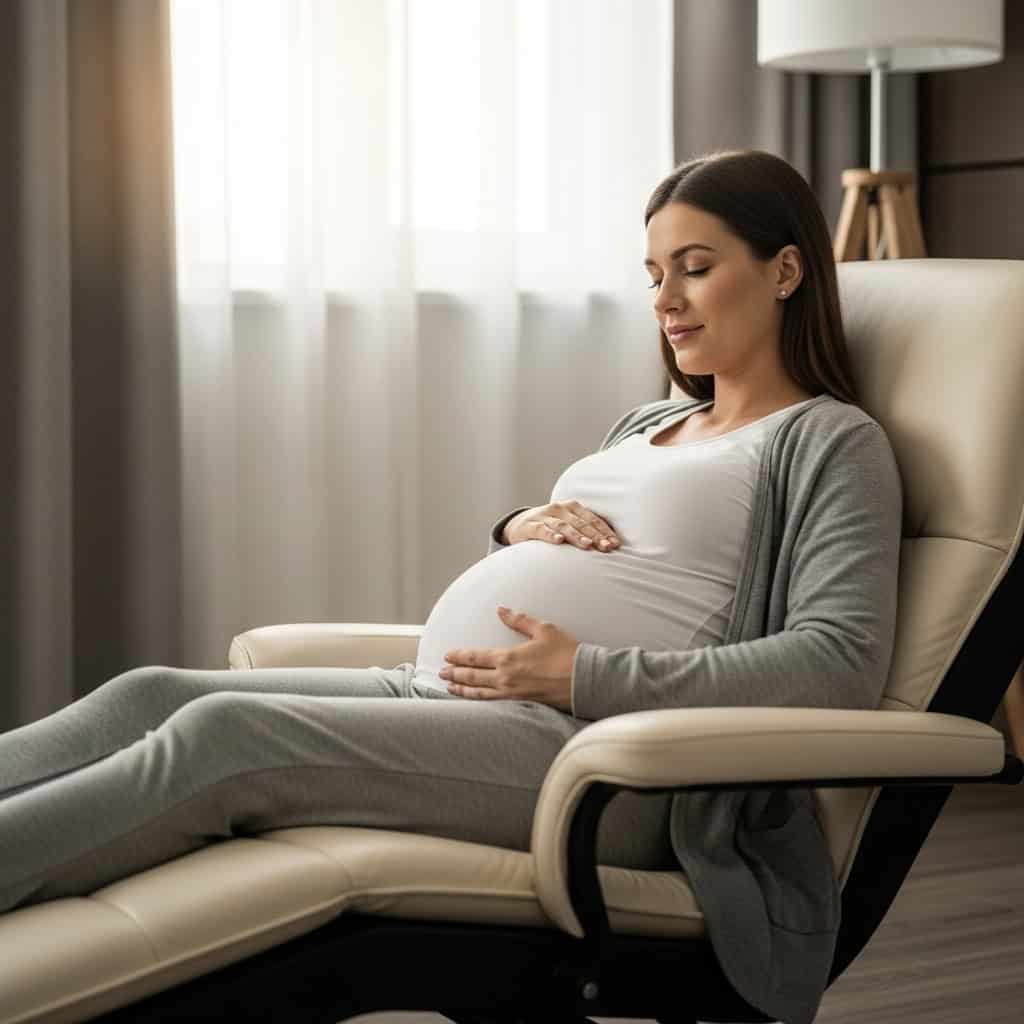
Allowing your body adequate rest and recovery is just as important as staying active during pregnancy. Schedule regular rest days and prioritize quality sleep to help your body adapt and repair. Always pay attention to signs of fatigue or overexertion, and don’t hesitate to scale back your activity if needed.
Balancing exercise with periods of rest ensures you maintain energy levels and reduce the risk of injury or burnout. For more information on the importance of rest during pregnancy, visit Sleep Foundation: Why Sleep Is Important During Pregnancy.
Conclusion
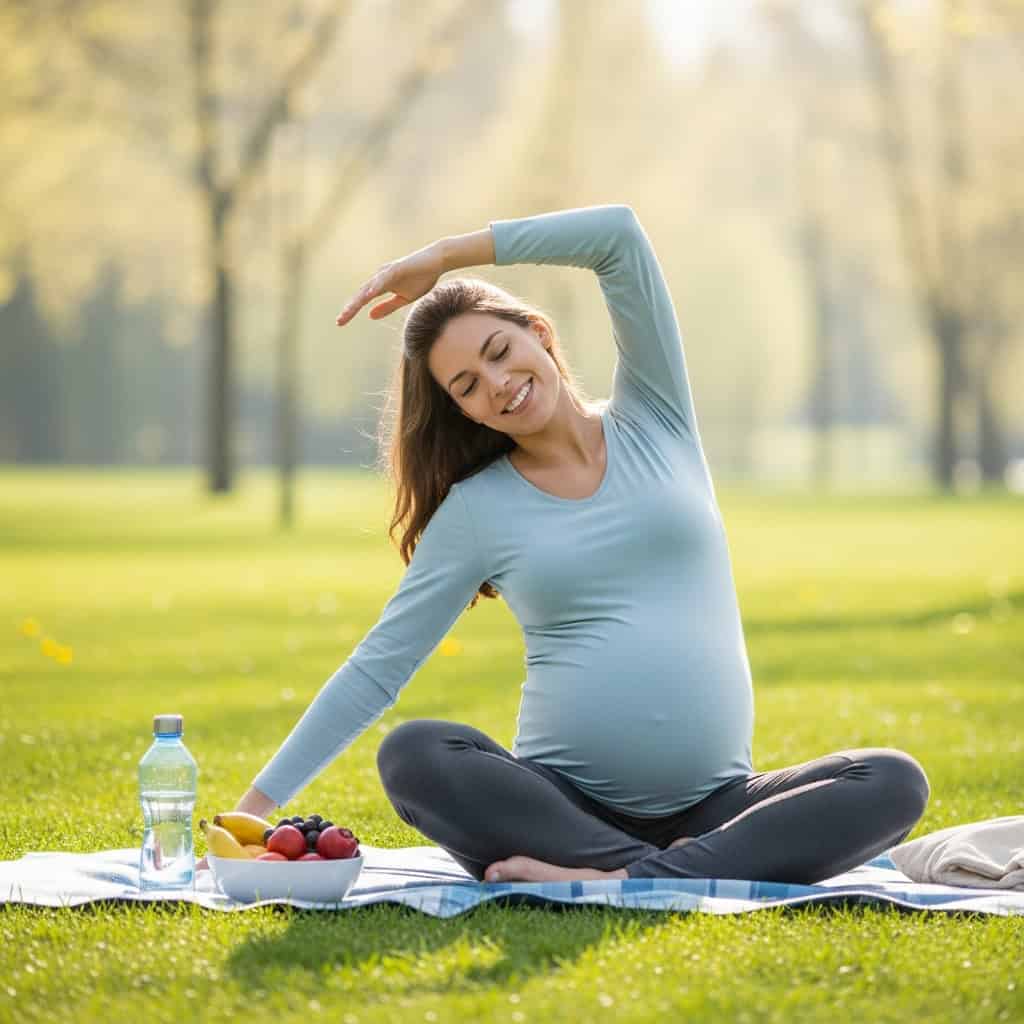
Engaging in safe, thoughtfully chosen physical activity during pregnancy offers significant benefits for both mother and baby, including improved mood, strength, and overall well-being. By consulting your healthcare provider, selecting appropriate exercises, listening to your body, and prioritizing hydration, nutrition, and rest, you can enjoy an active and healthy pregnancy.
Remember to avoid high-risk activities and always practice proper warm-ups and cool-downs. Following these steps will help you stay fit while minimizing risks. For more comprehensive advice, visit the ACOG Exercise During Pregnancy page.