10 Common Pregnancy Myths Doctors Want You to Stop Believing
Pregnancy is a time filled with excitement, curiosity, and—unfortunately—myths that can cause confusion or even harm. Misinformation often spreads through social circles, online forums, and outdated family advice, making it hard to separate fact from fiction.
Believing these myths can lead to unnecessary anxiety and risky decisions. This guide aims to dispel widespread misconceptions using clear, evidence-based information, so you can approach pregnancy with confidence and peace of mind.
Where Pregnancy Myths Come From

Pregnancy myths often stem from cultural traditions, old wives’ tales, and the rapid spread of misinformation on social media. While these stories may be passed down with good intentions, they rarely have a scientific basis. Relying on unverified advice can lead to unnecessary worry or unsafe choices.
That’s why it’s crucial to seek guidance from healthcare professionals and reputable organizations like the American College of Obstetricians and Gynecologists (ACOG), which provides evidence-based information on pregnancy health, prenatal care, and maternity best practices.
Myth—You Can’t Exercise During Pregnancy
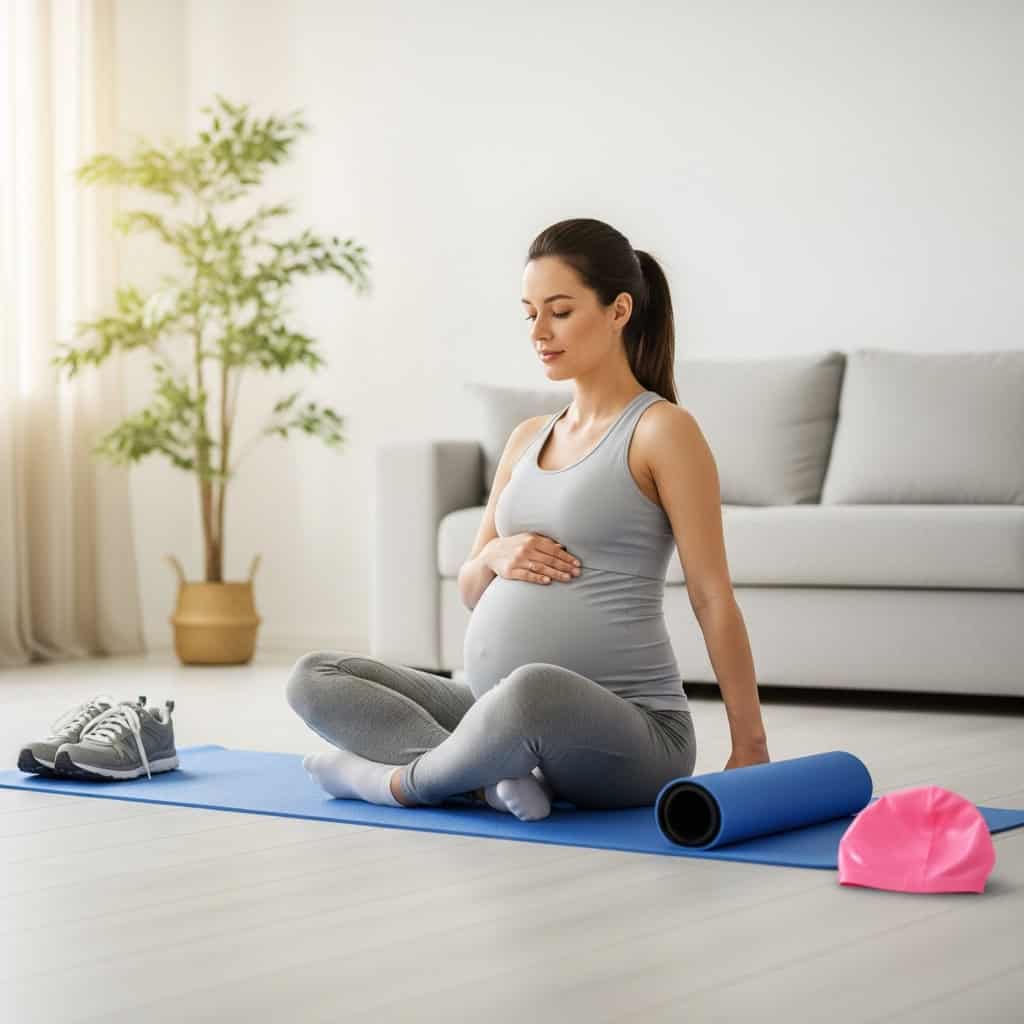
Contrary to popular belief, exercise is not only safe for most pregnant women but also highly beneficial. Regular physical activity can help reduce back pain, improve mood, and promote healthy weight gain. Safe prenatal fitness options include walking, swimming, and prenatal yoga.
However, it’s important to avoid high-risk activities or those with a risk of falling. Always consult your healthcare provider for personalized recommendations and to ensure your chosen exercises are appropriate for your pregnancy. For more information on safe workouts, visit the Mayo Clinic’s pregnancy exercise guide.
Myth—You Should Eat for Two
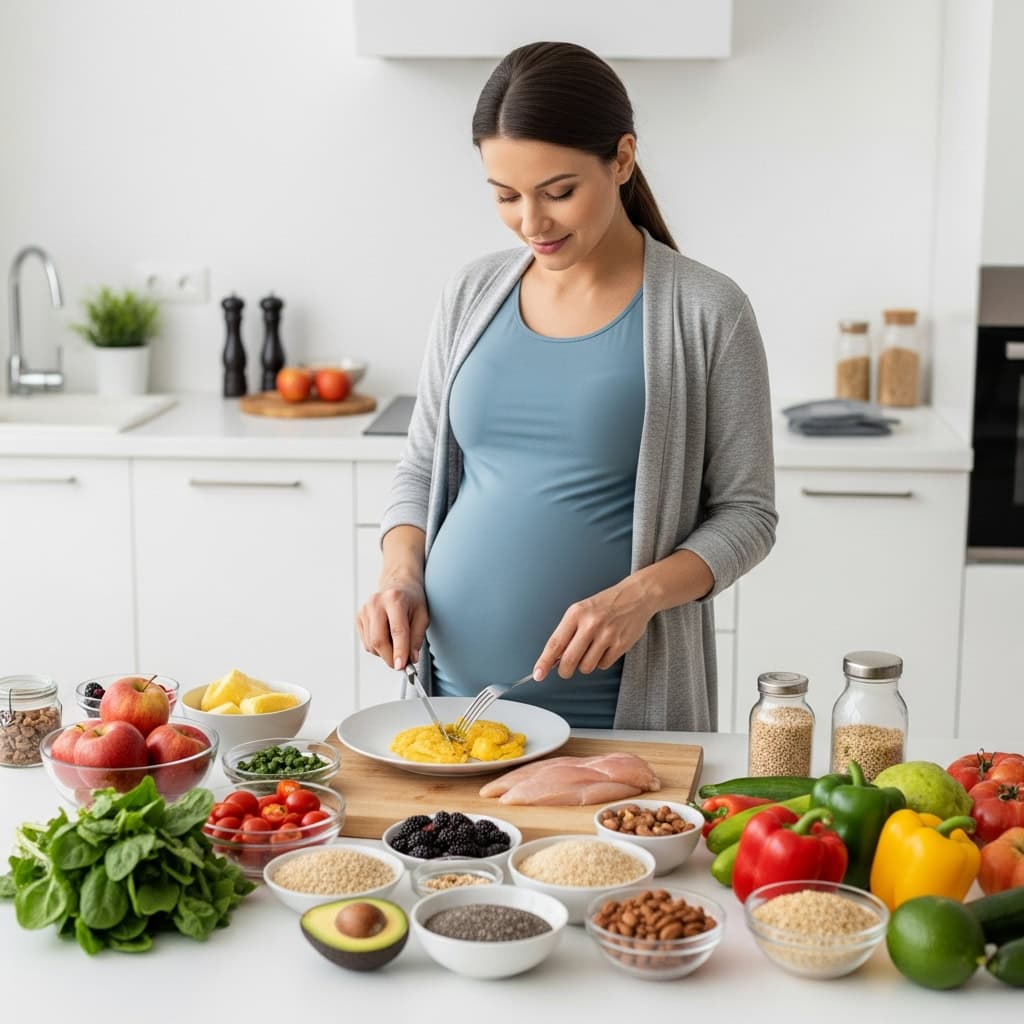
The idea that pregnant women need to “eat for two” is misleading. In reality, most women only need a moderate increase in calories, especially during the second and third trimesters. The focus should be on balanced nutrition—incorporating fruits, vegetables, lean proteins, whole grains, and healthy fats—rather than simply eating more.
Overeating can lead to unnecessary weight gain and complications. For specific dietary recommendations and portion guidelines, consult your healthcare provider. For more details on healthy eating during pregnancy, visit the NHS pregnancy nutrition guide.
Myth—Morning Sickness Only Happens in the Morning
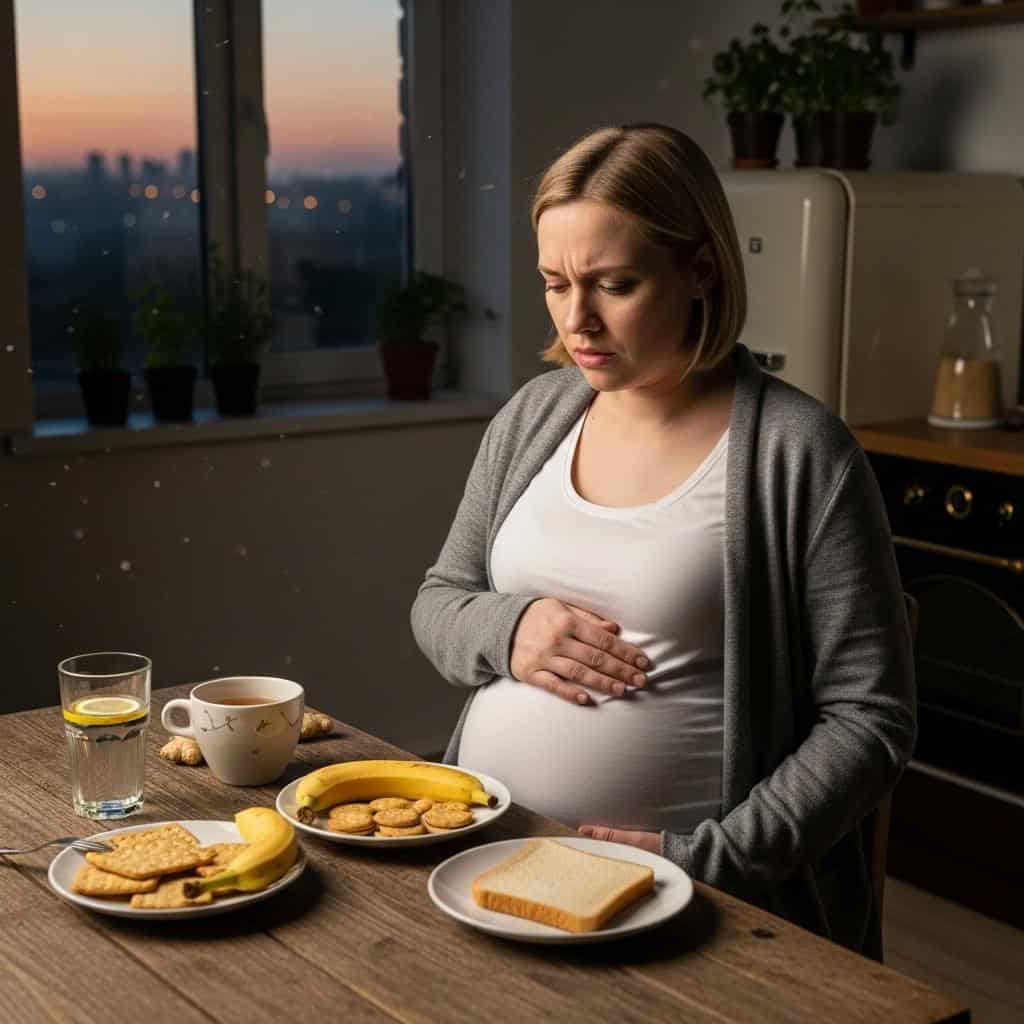
Despite its name, morning sickness can strike at any time of day or night. Many pregnant women experience nausea and vomiting throughout the day due to hormonal changes. Effective strategies for relief include eating small, frequent meals, staying hydrated, and avoiding triggers like strong smells.
If symptoms become severe or persistent—such as inability to keep food or fluids down—it’s important to seek medical advice. Find more information and management tips from the March of Dimes morning sickness resource.
Myth—You Can’t Dye Your Hair While Pregnant

Many believe that all hair dye chemicals are unsafe during pregnancy, but research shows that the amount absorbed through the scalp is minimal and generally considered safe. Most experts agree occasional hair coloring after the first trimester poses little risk.
Opt for well-ventilated areas, follow product instructions, or choose highlights to reduce scalp contact. Still, individual circumstances may vary, so it’s wise to consult your healthcare provider before making a decision. For more information, see the ACOG’s advice on hair dye in pregnancy.
Heartburn Means Your Baby Will Have Lots of Hair
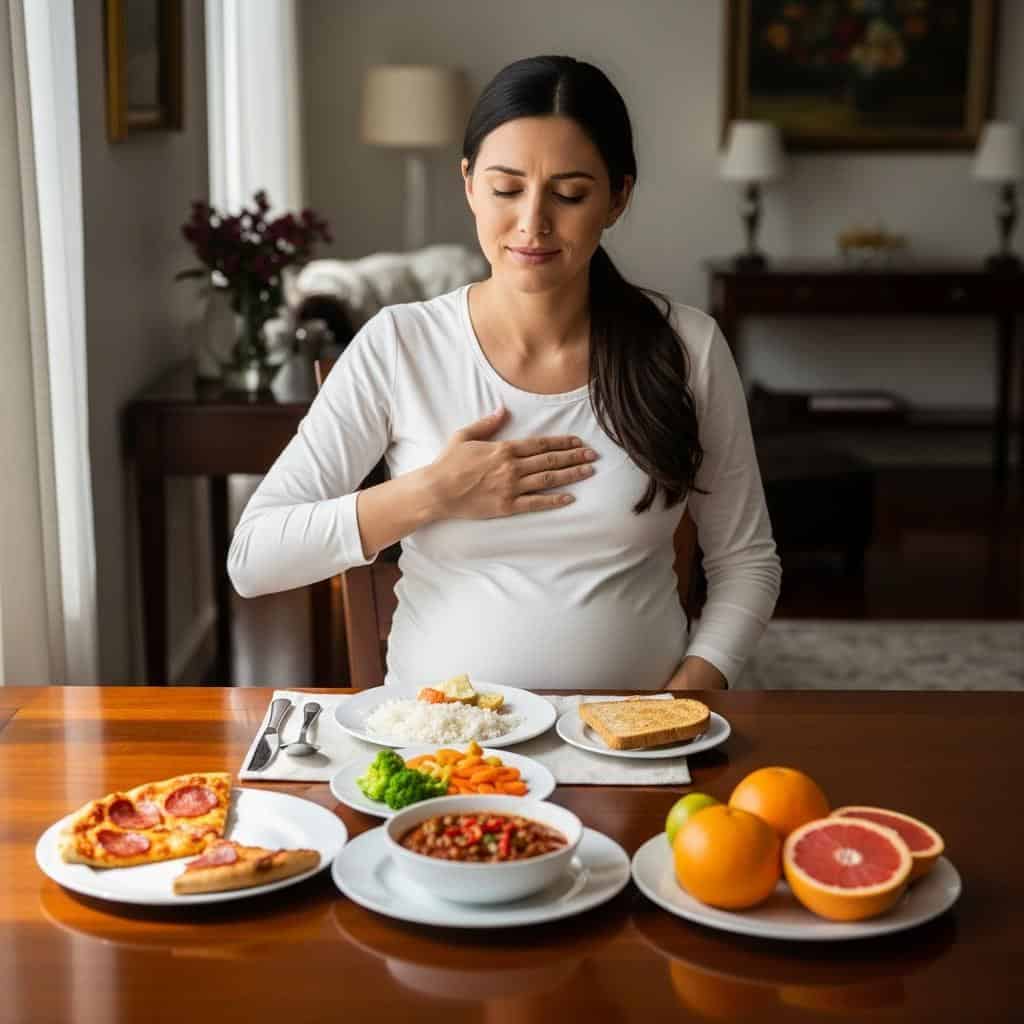
The belief that heartburn indicates a baby will be born with a full head of hair is a classic old wives’ tale. Heartburn during pregnancy is actually caused by hormonal changes and the growing uterus pressing on the stomach, not the baby’s hair growth. Common triggers include spicy, fatty, or acidic foods.
Relief can often be found through smaller meals, avoiding trigger foods, and staying upright after eating. For persistent symptoms, talk to your healthcare provider. Learn more about heartburn causes and remedies from the Mayo Clinic’s heartburn in pregnancy guide.
You Should Avoid All Seafood

It’s a misconception that all seafood is off-limits during pregnancy. In fact, many types of fish are safe and beneficial due to their omega-3 fatty acids, which support fetal brain and eye development. Pregnant individuals should avoid high-mercury fish like shark, swordfish, and king mackerel, but can enjoy options such as salmon, tilapia, and shrimp in moderation.
Aim for two to three servings of low-mercury seafood per week. For detailed guidance on safe seafood choices, consult your healthcare provider and review the FDA’s advice about eating fish.
You Can’t Have Caffeine at All

It’s a common misconception that all caffeine must be eliminated during pregnancy. Most experts agree that moderate caffeine intake—up to 200 milligrams per day, or about one 12-ounce cup of coffee—is generally safe for most pregnant individuals.
Enjoying coffee or tea in moderation is possible, but be mindful of hidden sources of caffeine in chocolate, sodas, and some medications. Always check with your healthcare provider for personalized recommendations. For more information on safe caffeine consumption during pregnancy, visit the March of Dimes caffeine guidelines.
If You Carry High or Low, It Reveals the Baby’s Gender

The belief that carrying high or low can predict your baby’s gender is not supported by science. The way a pregnant belly looks is determined by factors such as the mother’s muscle tone, body shape, and the baby’s position—not whether the baby is a boy or girl.
Ultrasound and genetic testing are the only reliable ways to determine gender before birth. For more information on what actually influences baby bump appearance, visit the Parents’ guide to pregnancy myths.
Stretch Marks Can Be Completely Prevented

While many creams and oils claim to prevent stretch marks, genetics play the biggest role in whether or not you’ll develop them during pregnancy. Rapid stretching of the skin can cause these marks, regardless of how diligent you are with moisturizers. However, keeping skin hydrated, eating a balanced diet, and maintaining healthy weight gain may help support skin elasticity.
Remember, stretch marks are a normal part of pregnancy for many. For more on managing and understanding stretch marks, visit the American Academy of Dermatology’s stretch mark resource.
All Pregnancy Advice on the Internet is Reliable

Not all pregnancy advice found online is trustworthy. With so much information available, it’s essential to evaluate sources critically and prioritize guidance from reputable organizations and medical professionals.
Look for content backed by scientific evidence, such as that from the Centers for Disease Control and Prevention (CDC) or the American College of Obstetricians and Gynecologists (ACOG). When in doubt, always consult your doctor before making health decisions. Relying on credible resources helps ensure the best outcomes for both you and your baby.
Conclusion

Dispelling pregnancy myths is vital for empowering expectant parents to make informed, confident choices. Misinformation can lead to unnecessary stress and potentially harmful decisions, so prioritizing evidence-based advice and expert care is essential.
Always consult your healthcare provider and turn to trusted resources like the World Health Organization’s pregnancy guide and the ACOG Women’s Health portal for reliable information. With accurate knowledge and professional support, you can focus on a healthy, positive pregnancy journey for both you and your baby.