
Why Setting Family Traditions Creates Lifelong Memories
Few things shape our lives as deeply as the rituals we share with loved ones. Family traditions—whether big or small—bind generations together, providing comfort, identity, and a treasure trove of cherished memories.
These special moments foster a sense of belonging and create stories that are retold for decades. In this guide, you’ll discover how to start and nurture meaningful family traditions that endure. By weaving intentional rituals into your routine, you can cultivate lasting bonds and make every season more memorable.
The Power of Family Traditions

Family traditions serve as anchors, providing a sense of connection, stability, and belonging amidst life’s changes. Psychologically, these rituals offer comfort and continuity, helping family members feel grounded and valued.
Emotionally, traditions foster bonding by creating shared experiences that become treasured memories. Research shows that intentional family rituals can reduce stress, boost happiness, and reinforce identity within the family unit. By prioritizing traditions, families lay the groundwork for lifelong emotional well-being. Discover more about the psychological impact of family rituals at Child Trends.
Your Family’s Unique Values and Interests
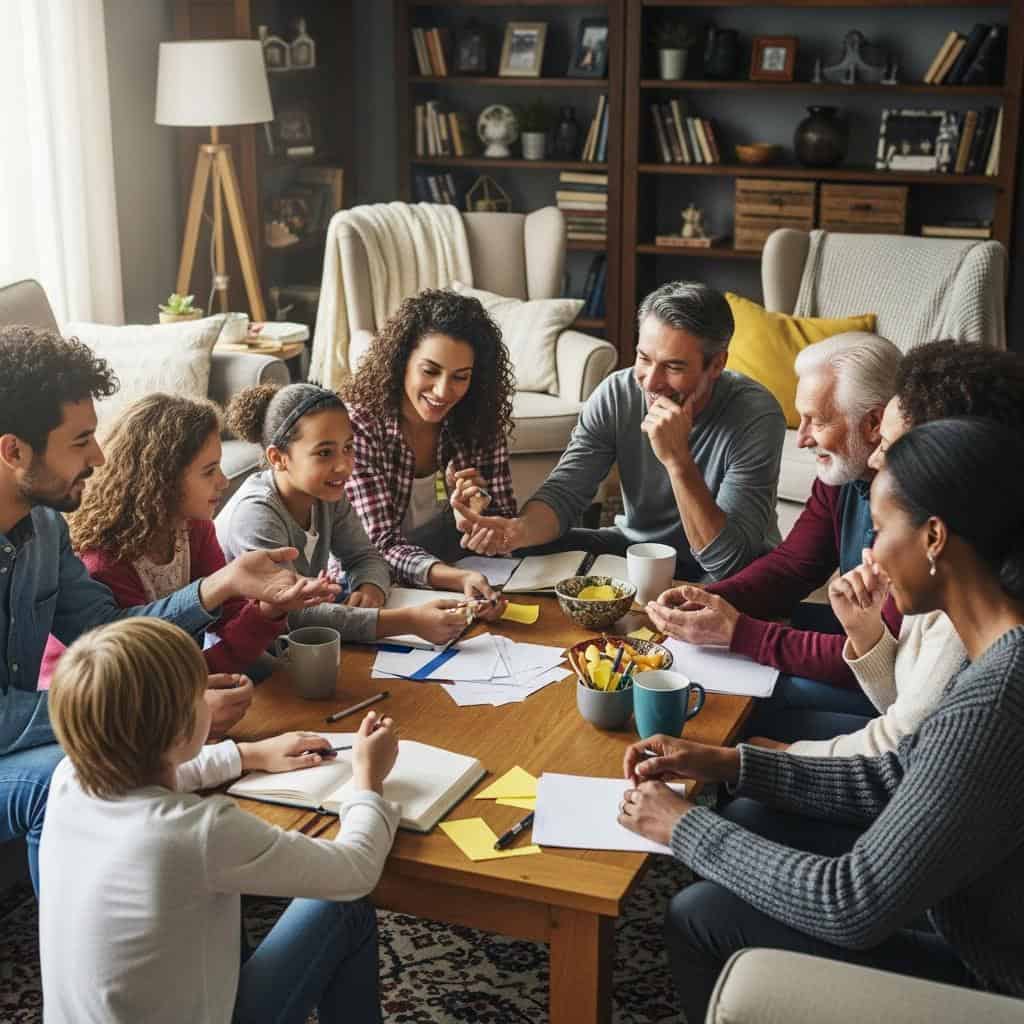
Creating meaningful traditions starts with understanding what truly matters to your family. Take time to reflect together on your core values, shared interests, and special moments that bring joy.
Encourage open conversations where everyone can contribute ideas, ensuring each tradition feels authentic and inclusive. Brainstorming as a group helps uncover unique rituals that resonate with all ages, making the experience personal and lasting. For tips on fostering family dialogue and discovering shared values, explore the guide at Verywell Family.
Choose Traditions That Fit Your Lifestyle

When establishing new family traditions, it’s essential to select rituals that align with your family’s daily rhythms and commitments. Choose activities that are both enjoyable and sustainable, whether it’s a weekly movie night or an annual holiday outing.
Adapt traditions to accommodate evolving schedules and interests, ensuring they remain relevant over time. Consistency is key—repeating traditions builds anticipation and solidifies memories for every family member. For more strategies on creating sustainable family rituals, read the article at Parents.com.
Start Small and Be Consistent

Beginning with simple, manageable rituals makes it easier to incorporate new traditions into your routine. Even small acts—like a special Sunday breakfast or bedtime stories—can take on deep meaning when repeated over time.
Consistency transforms ordinary moments into cherished family memories, building a sense of security and togetherness. As your family grows more comfortable, you can gradually expand or add new traditions. Remember, it’s the regularity and shared experience that matter most. For inspiration on starting simple family rituals, visit The New York Times Family Traditions Guide.
Involve Everyone and Make It Fun

Engaging all family members in both planning and participation ensures that traditions are inclusive and meaningful. Encourage each person, regardless of age, to share ideas and take on roles that make the experience enjoyable for everyone.
Keeping activities lighthearted and fun fosters positive associations and strengthens family bonds. When traditions are enjoyable, family members look forward to them, increasing the likelihood they’ll be passed down through generations. For more ideas on making family traditions memorable and inclusive, check out GreatSchools.
Capture and Reflect on Memories
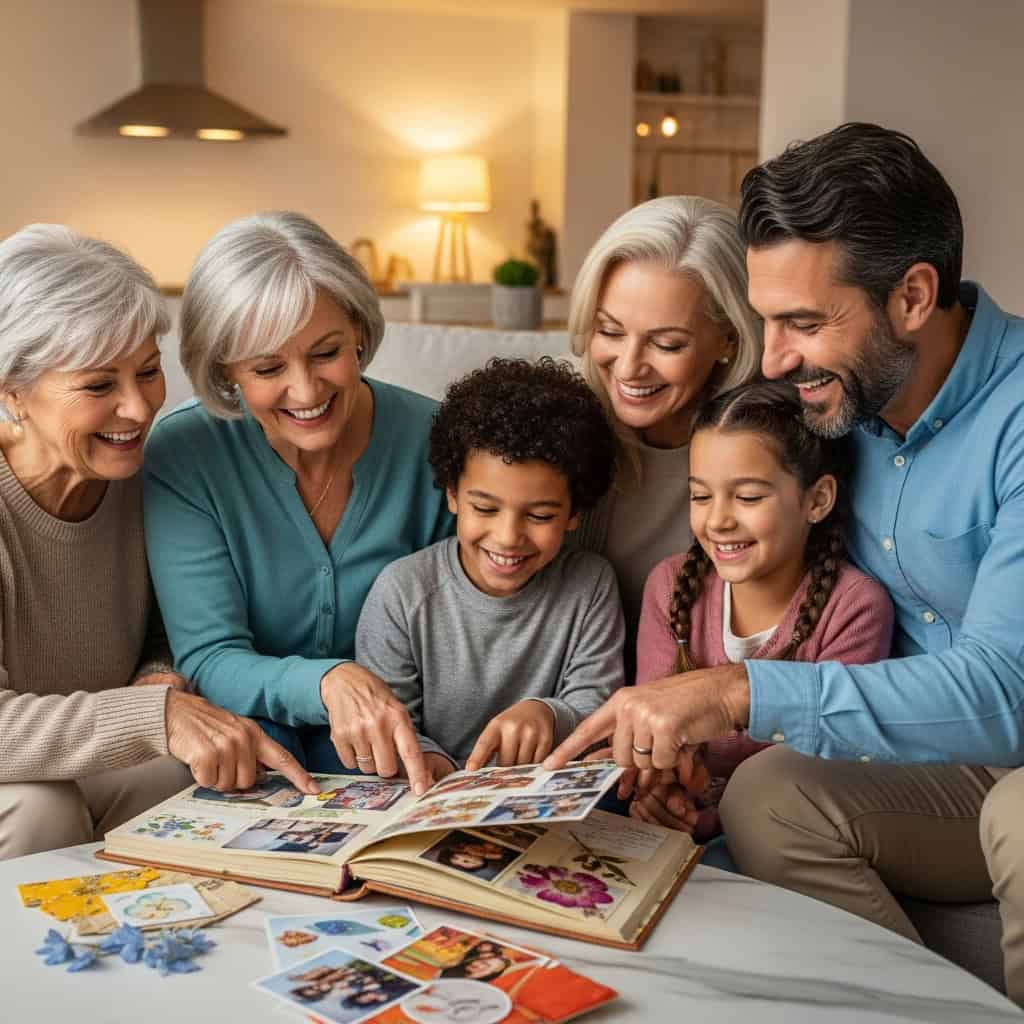
Documenting your family traditions—through photos, journals, or storytelling—helps preserve the special moments that define your family’s identity. Taking time to reflect on these memories, whether by sharing stories around the table or creating a family scrapbook, reinforces the emotional bonds formed during these rituals. Looking back on these moments together not only brings joy but also strengthens the sense of connection across generations. For tips on capturing and celebrating family memories, visit Fatherly.
Adapt and Evolve Traditions Over Time

As families grow and circumstances change, it’s natural for traditions to evolve. Remain open to modifying rituals to fit new life stages, such as welcoming a new family member or accommodating changing schedules. Invite input from everyone, allowing each person to contribute fresh ideas or adapt old favorites.
This flexibility keeps traditions meaningful and inclusive, ensuring they continue to foster connection. Adjusting rituals as needed helps families maintain relevance and joy across generations. For guidance on evolving family traditions, explore Verywell Family’s advice.
Conclusion
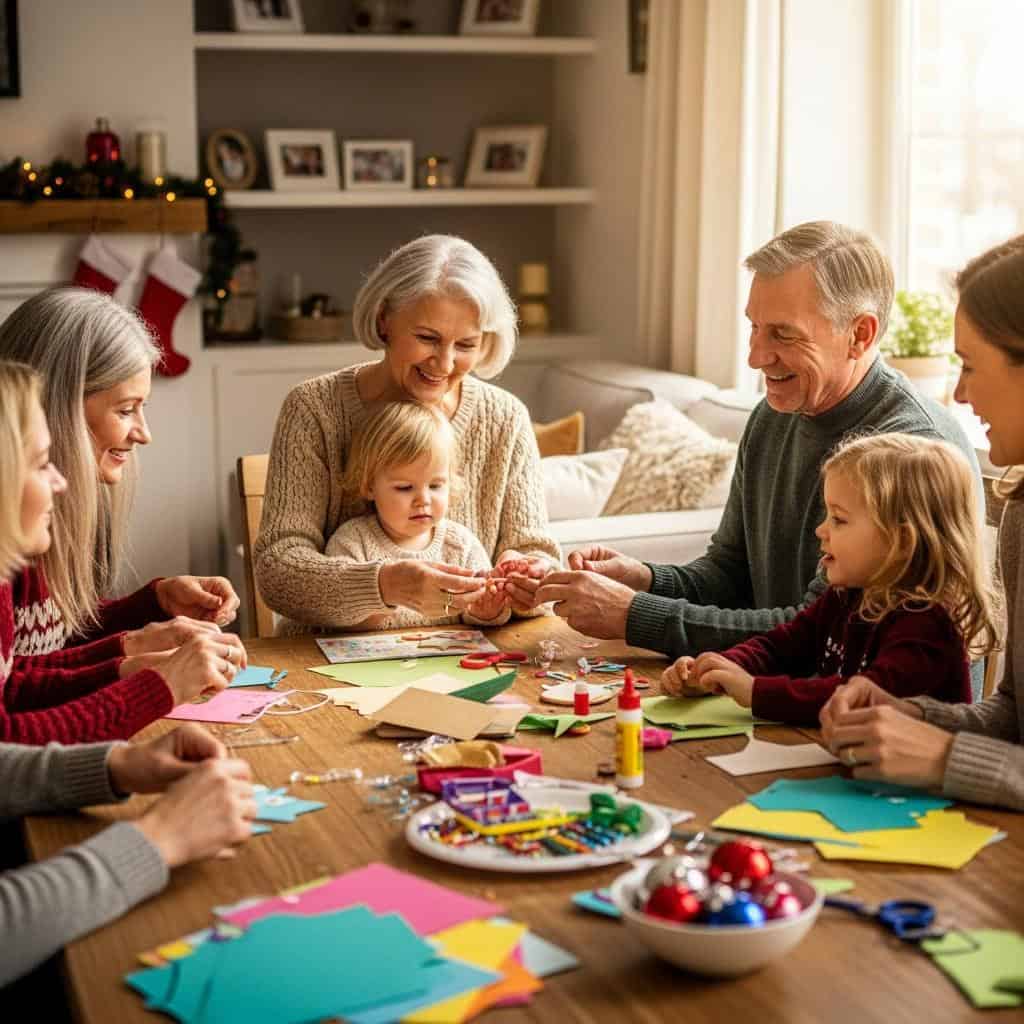
Establishing meaningful family traditions involves understanding their power, reflecting on shared values, choosing sustainable rituals, starting small, involving everyone, capturing memories, and evolving over time. These steps foster connection, belonging, and joy, turning ordinary moments into cherished lifelong memories.
By taking the initiative to create and nurture your own family rituals, you lay the foundation for a legacy of love and togetherness. Start today and watch as these traditions become the threads that weave your family story. For further inspiration, visit Greater Good Magazine.